
What is death?
According to medical definition, death is Complete
stoppage of respiration for more than 4 to 5
minutes or when stethoscope is
placed over the precordial area, where the heartbeat
can be heard. Under normal conditions, stoppage of heartbeat for more than four to five minutes is
accepted as evidence of death.
In philosophy: Death is seen by Socrates as the liberation of the soul and that is why it should be faced with serenity, as long as you know that you have lived your life in the best possible way. Each of us has our own philosophy of death, our own thoughts about what it is to die.
Death is what motivates us towards achieving our goals, which helps us to appreciate our loved ones, and which concludes our story. In the end of this article there are some interesting facts and insights so stay tuned.


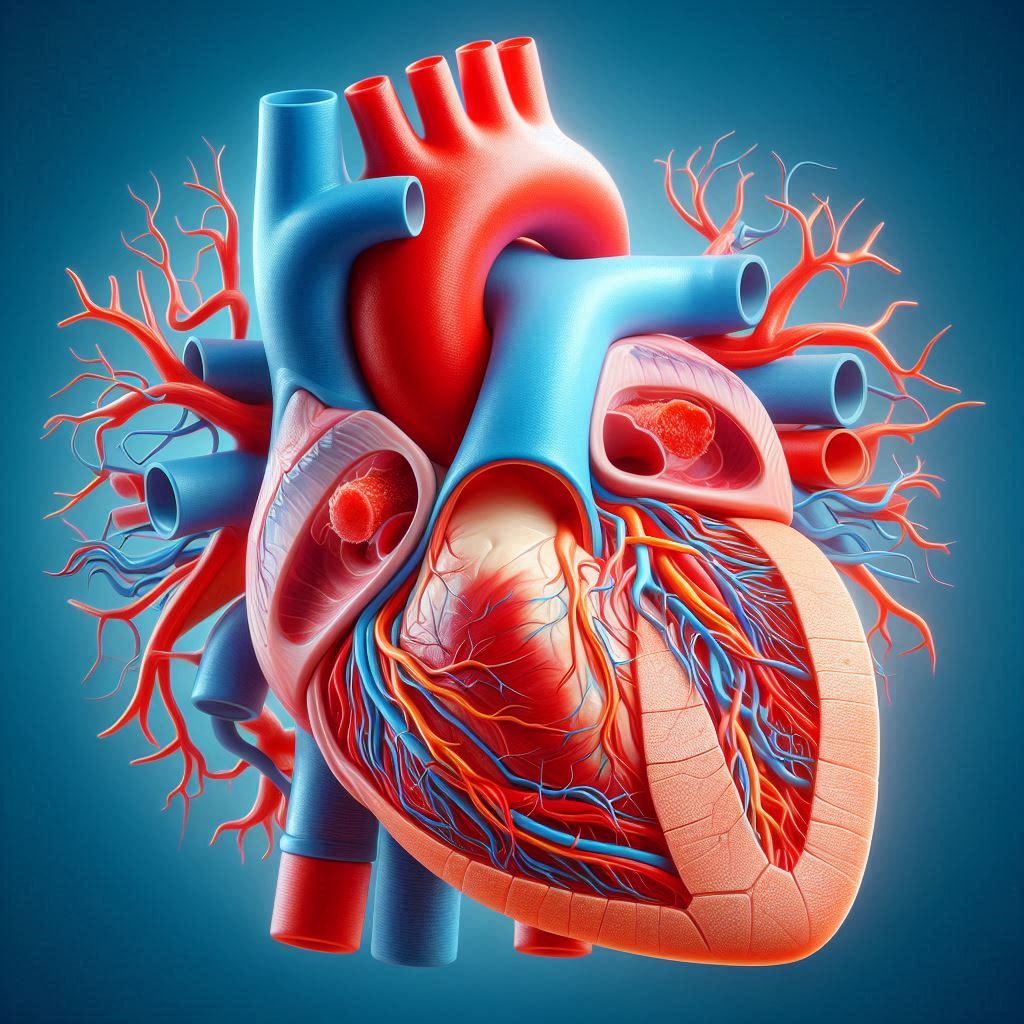
TOP TEN CAUSES OF DEATHS AROUND WORLD
1.Ischemic heart disease:8.9 million deaths in 2019 responsible for 16%of world ‘s total death
2.Stroke: responsible for approximately 11%which is 6.55 million deaths in 2019. It occurs when blood flow to brain is blocked or a blood vessel inside or on surface of the brain bursts. A stroke is serious medical condition and requires immediate medical attention, just like heart attack. It affected nearly 77 million people in 2019
3.Chronic obstructive pulmonary disease (COPD): responsible for approximately 6% around 3.23 million deaths in 2019. Tobacco smoking accounts for over 70% of COPD cases in high-income countries
4.lower respiratory tract infection: it claimed 2.6 million lives
5.neonatal condition: this condition killed 2 million newborns and young children in 2019. Conduction such as Premature birth
Birth complications (birth asphyxia/trauma)
Neonatal infections
Congenital anomalies
Neonatal encephalopathy
Infections (especially blood infections)
Complications of preterm birth.
6.Trachea bronchus lung cancer:1.8 million deaths every year
7.Alzheimer’s disease and other dementia:1.62 million deaths. Currently more than 55 million people have dementia worldwide, Dementia is a term for several diseases that affect memory, thinking, and the ability to perform daily activities.
The illness gets worse over time. It mainly affects older people but not all people will get it as they age.
8.diarrheal diseases: with global deaths 1.5 million in 2019
9.Diabetes Mellitus: around 1.5 million deaths. Prevalence has been rising more rapidly in low- and middle-income countries than in high-income countries. Diabetes is a chronic disease that occurs either when the pancreas does not produce enough insulin or when the body cannot effectively use the insulin it produces. Insulin is a hormone that regulates blood glucose.
10 kidney diseases: 1.3 million deaths in 2019.Chronic kidney disease(CKD) is a condition in which the kidneys are damaged and can’t filter blood as well as they should. Because of this, excess fluid and waste remain in the body and may cause health problems such as heart disease.
Insights:7 of the 10 leading causes of deaths in 2019 were Non-Communicable Diseases (NCD). These seven causes accounted for 44% of all deaths or 80% of the top 10. However, all noncommunicable diseases together accounted for 74% of deaths globally in 2019.Some of NCD are cardiovascular diseases (such as heart attacks and stroke), cancers, chronic respiratory diseases (such as chronic obstructive pulmonary disease and asthma) and diabetes.
NCD are multi-factorial disease that is having multiple causes. These can be prevented by reducing risk factor such as tobacco, alcohol, unhealthy diet and increasing physical activity
Other diseases which were among the top 10 causes of death in 2000 are no longer on the list. HIV is one of them. Deaths from HIV and AIDS have fallen by 51% during the last 20 years, moving from the world’s 8th leading cause of death in 2000 to the 19th in 2019.Due to access to antiretroviral therapy (ART) and a declining incidence of HIV infections have led to a steep fall globally in the number of adults and children dying from HIV-related causes.
 HEALTHnWELLNESS