
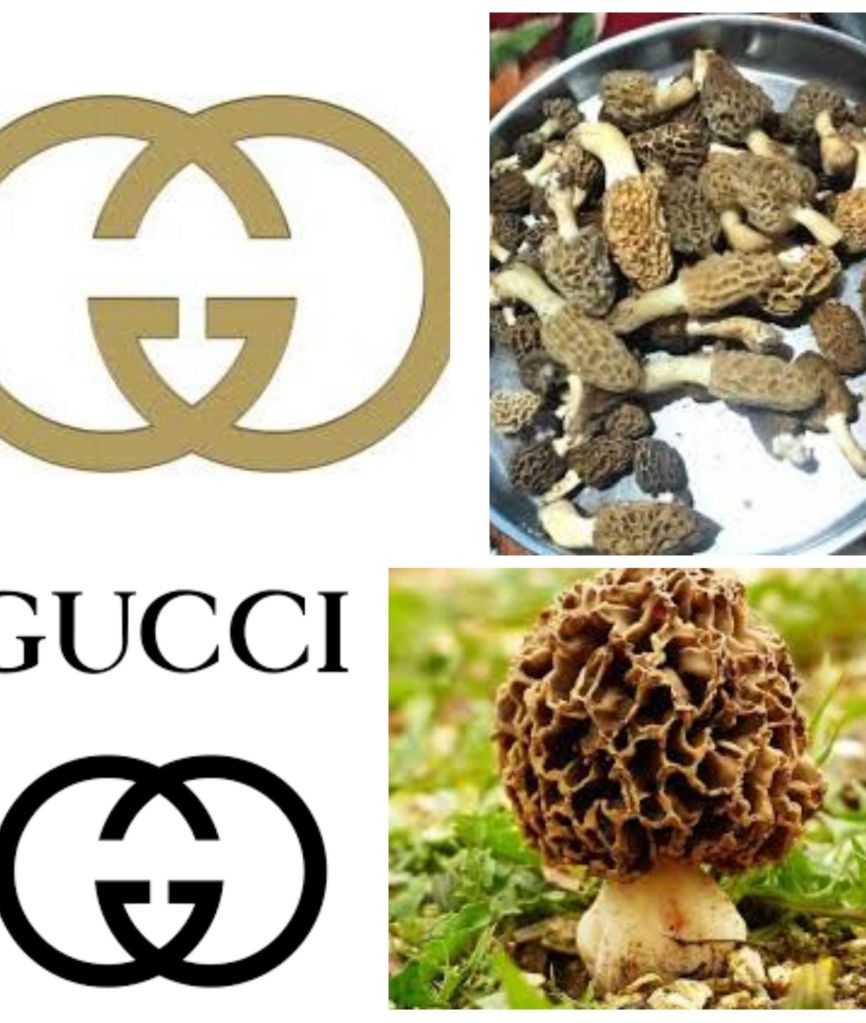
The Himalayan Gold: Gucchi Mushroom
Gucchi vs Gucci – Same Sound, Very Different Swag!
Don’t get confused just because they sound alike.
Gucchi is not trying to walk the ramp in Milan, and Gucci is definitely not growing in Himalayan forests 🍄Gucchi mushroom known globally as the Morel (Morchella esculenta), and locally in India as Gucchi, Kallun, or Dungri, this sponge-like mushroom is a culinary jewel. Unlike common button mushrooms which can be farmed in any basement, the Gucchi is notoriously difficult to cultivate, growing wild in the thunderous silence of high-altitude forests.Under pine (deodar) tree

It is called Gucchi because it means a bunch in the local language as it grows in bunches
This article explores the Gucchi mushroom’s immense health benefits, its elusive habitat, and why it remains one of the most expensive foods in the world.
Beneficial Effects on the Body
Gucchi mushrooms are not just prized for their earthy, nutty flavor; they are a powerhouse of nutrition. In Ayurvedic medicine and modern nutritional science, they are valued for several key properties:
- Immune System Support: They are incredibly rich in Vitamin D, a nutrient rarely found in plant-based food sources. Vitamin D is essential for immune regulation and bone health.
- Heart Health: Gucchi is a great source of Potassium and Copper, which help maintain blood pressure and reduce the risk of stroke and heart diseases. They are also low in fat and cholesterol.
- Antioxidant Powerhouse: They contain high levels of antioxidants, which protect the body from free radicals (unstable molecules that damage cells). This can help reduce inflammation and slow down aging.
- Liver Protection: Studies suggest that Morels help in detoxifying the liver and protecting it from damage caused by toxins.
- Diabetes Management: The fiber content and specific bioactive compounds in Gucchi help regulate blood sugar levels, making it beneficial for diabeticsHabitat:
- Where Does It Grow?
The high price of Gucchi is directly linked to its habitat. It cannot be easily farmed like other crops; it must be foraged (hunted) in the wild.
Environmental Requirements: Gucchi thrives in temperate forests with cool, moist winters and warm springs. It often grows near conifers (pine trees) and broadleaf trees. Interestingly, they are known to sprout in abundance in forests that have recently been ravaged by forest fires, as the ash enriches the soil.
India: It is found exclusively in the high-altitude regions of the Himalayas—specifically in Jammu & Kashmir (Doda, Kishtwar), Himachal Pradesh (Kullu, Shimla, Manali), and Uttarakhand. Villagers risk their lives trekking through steep, snake-infested slopes to collect them between March and May.
Global Distribution: Outside India, they are found in the temperate forests of North America, Europe, and parts of China and Pakistan. - Details recipes in other blog
- Where Does It Grow?
 HEALTHnWELLNESS